
Why Whitening Shampoo Isn’t Just for Show Dogs. And How to Use It With Care
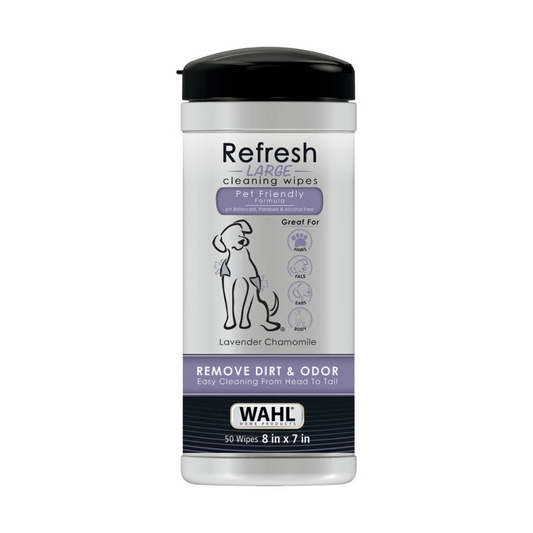
If you work with white or very light-coloured dogs, you know how challenging it can be to keep their coats looking crisp, clean, and luminous. Everyday dirt, tear stains, and natural discoloration can dull their appearance. This is where a good whitening shampoo becomes a groomer’s best friend. A bright, white coat certainly turns heads, but the fresh scent that lingers long after the bath is just as important for daily cuddles. That’s why, once you’ve mastered the whitening wash, the next step is keeping that clean smell alive between full grooming sessions. We’ve got a simple routine you can talk owners through to help them maintain that 'just groomed' effect.
A “whitening” shampoo doesn’t just mean that bleach has been added. The smartest formulations restore and enhance, rather than strip or alter a coat. In this guide, we’ll walk you through what whitening shampoo actually does, when and how to use it for the healthiest and most radiant results, and how to help your clients understand its benefits.
What Exactly is a Whitening Dog Shampoo?
Whitening shampoos are specially formulated for dogs with light-coloured coats — think Bichons, Westies, Maltese, Samoyeds, and similar breeds. Rather than bleaching or dyeing, they rely on gentle but effective ingredients to correct discolouration and restore brightness.
Why Use a Whitening Dog Shampoo?
Some of the common mechanisms included in a whitening dog shampoo include:
- Optical brighteners: These reflect light at specific wavelengths to make a coat appear brighter and more luminous.
- Bluing or purple pigments: Tiny colour-cancelling pigments (usually blue or violet) neutralise yellow or warm tones in the fur.
- Enzymes or mild cleansers: These help lift out stains caused by tear runoff, food, dirt, or saliva without being overly harsh.
- Natural brightening botanicals: Ingredients like chamomile, lemon, aloe, or coconut can help cleanse gently and soothe sensitive skin.
The Key Benefits of Whitening Dog Shampoo
When used correctly, whitening shampoo offers several powerful advantages:
1. Restores Natural Brilliance
By neutralising dull or yellowed fur, whitening shampoo brings out a dog’s natural tone, making white and pale coats look fresh and clean again.
2. Tackles Stains
Whether it's tear staining, food smudges, or everyday grime, the right whitening formula lifts superficial marks to revitalise the coat.
3. Improves Coat Texture
Many whitening shampoos also include conditioning ingredients to restore softness, manageability, and shine.
4. Safe When Used Thoughtfully
A well-formulated dog whitening shampoo doesn’t bleach hair and, when used correctly, can be part of a regular grooming routine — though it’s not always a shampoo to overuse.
How to use Whitening Dog Shampoo?
To help your clients achieve the best results, here’s a tried-and-true grooming workflow for whitening shampoo:
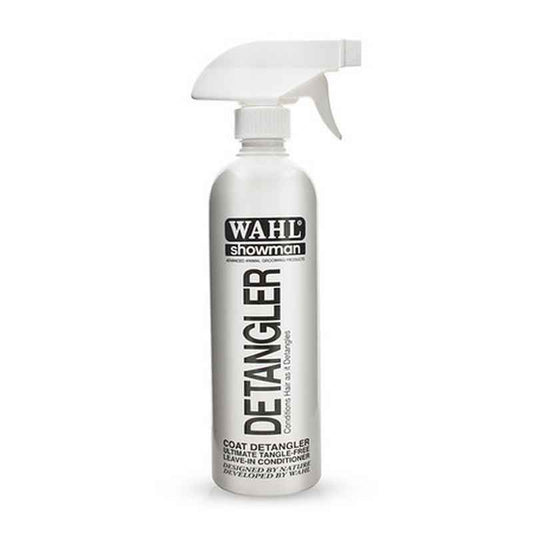
1. Pre-Bath Detangling: Begin with a careful brush-out. Removing tangles and loose hair ensures the shampoo can penetrate evenly.
2. Drench Thoroughly: Use lukewarm water to wet the coat completely. Light coats tend to show residue more easily, so this step is vital.
3. Apply With Precision: Massage the shampoo into the coat, starting with discoloured zones (around the face, paws, underarms) before working out to the body.
4. Let It Work: Allow the formula to sit for a few minutes (3–5 min is a common recommendation) to let brighteners or pigments activate.
5. Rinse Very Thoroughly: Rinse until the water runs clear. Leaving any residue can dull the shine, cause irritation, or alter how the coat looks when dry.
6. Finish Nicely: Towel-dry or blow-dry as usual, and brush through for a silky, polished finish.
7. (Optional) Use an Acid or Coat Conditioner: Some groomers recommend a pH-balancing rinse or conditioner to help smooth the cuticle, lock in shine, and maintain coat softness.
How to choose the right Whitening Shampoo?
When selecting a whitening shampoo, whether for in-salon use or to recommend to clients, keep these factors in mind:
Coat Type & Breed
Certain breeds respond better to specific formulas. For example, wiry-coated dogs might benefit from gentle enzymatic blends, while show breeds may prefer optical brighteners.
Skin Sensitivity
If a dog has sensitive skin, look for hypoallergenic or tear-free formulas. Harsh brighteners or pigments can irritate delicate areas like the face.
Ingredient Preference
Many groomers and clients prefer natural ingredients like chamomile or aloe, while others are fine with more “high-performance” brightening agents.
Dilution & Concentration
Highly concentrated formulas or those designed for salons often require dilution. Always check the manufacturer’s instructions carefully to avoid misuse.
Cruelty-Free / Vegan Options
If ethical or “green” credentials matter, look for shampoos that are cruelty-free, vegan, or free from harsh bases like SLS.
Safety & Best Practices for using Whitening Dog Shampoo
To use whitening shampoo safely and effectively, here are some best-practice guidelines and common pitfalls to avoid:
Patch-Test First
Always test a small area before a full bath, especially for dogs with known sensitivities or allergies.
Avoid Overuse
More frequent use doesn’t necessarily mean better results. Overusing whitening shampoo can strip natural oils and lead to dryness or irritation.
Stick to Dog-Specific Products
Never use human whitening or clarifying products designed for humans. They can upset a dog’s pH balance and harm the skin.
Be Gentle Around Sensitive Areas
For the face, muzzle, and eye area, use a very gentle cleanser (or one specifically formulated for facial areas) rather than a full-strength whitening formula.
Rinse Thoroughly
Rinsing very well is non-negotiable. Any leftover pigment or brightener can make the coat feel rough or look uneven after drying.
Moisturise After
Follow up with a conditioner or a softening spray if the coat feels dry. Restore moisture and keep the cuticle smooth for best shine.
When Whitening Shampoo Isn’t Enough
Whitening shampoo is a powerful tool, but it’s not a miracle worker. Additional steps may be required when it comes to deep, long-standing stains.
Saliva or tear stains: Some stains, especially around the mouth or eyes, are caused by porphyrin (a natural compound in tears and saliva). These may not fully lift with shampoo and sometimes require alternative stain-removal strategies or more frequent gentle cleansing.
Sun damage or pigment fade: Whitening shampoos can help restore brightness, but they won’t reverse pigment change or sun-bleaching.
Very stubborn or deep staining: In some cases, professional stain-removal treatments or a de-greasing shampoo followed by deep conditioning may be needed.
Educating Clients: How to Talk to clients about the safe use of dog whitening shampoo
Your clients trust you to do more than just clean. They look to you for expert advice, especially on coat health. Here’s how you can guide them:
- Explain what whitening shampoo does (brightens and neutralises) and what it doesn’t do (it doesn’t bleach).
- Demonstrate how often to use it safely, based on their dog’s coat type, skin sensitivity, and lifestyle.
- Recommend complementary products: a gentle facial wash, a conditioner or detangling spray, or paw/nose balm if needed.
- Set realistic expectations. Whitening shampoo helps a lot but very deep or permanent staining takes time, and sometimes even a combination of grooming and lifestyle changes.
Whitening shampoo is far more than a “pretty-up” product. When used thoughtfully and correctly, it’s a tool that can restore brilliance, lift stains, and support coat health all without harsh chemicals. For groomers, recommending and using the right whitening product can elevate your results, impress clients, and help dogs look and feel their best.
At Groom + Kind, we believe in delivering care that’s professional, gentle, and truly effective. If you want help choosing the right whitening shampoo, or building a routine that keeps light-coated dogs looking luminous between visits, we’re here to support you.